
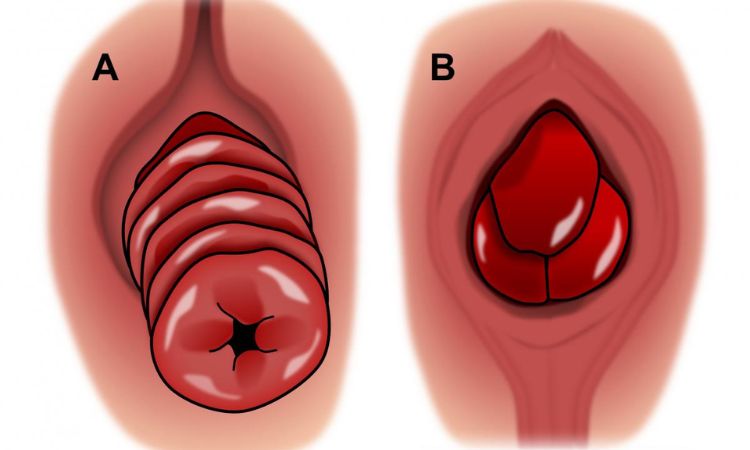
Rectal prolapse occurs when the rectum (the lower part of the large intestine) slips out of its normal position and protrudes through the anus. This condition can be partial, where only the lining of the rectum protrudes, or complete, where the entire wall of the rectum extends outside the body. Rectal prolapse can cause significant discomfort, pain, and embarrassment, and it often requires medical intervention to correct.
Causes of Rectal Prolapse
Understanding the root causes of rectal prolapse is essential for effective treatment and prevention. Some of the most common causes include:
- Chronic Constipation:
Straining during bowel movements over a long period can weaken the muscles and ligaments that support the rectum, leading to prolapse. - Chronic Diarrhea:
Frequent bowel movements can also strain the rectal muscles and contribute to prolapse. - Aging:
The muscles and ligaments in the pelvic area can weaken with age, increasing the risk of rectal prolapse. - Childbirth:
The strain and pressure during childbirth, especially multiple vaginal deliveries, can weaken the pelvic floor muscles and lead to prolapse. - Pelvic Floor Dysfunction:
Weakness or dysfunction in the muscles and ligaments that support the pelvic organs can contribute to rectal prolapse. - Neurological Conditions:
Conditions like multiple sclerosis or spinal cord injuries can affect the nerves that control the rectal muscles, leading to prolapse. - Previous Surgery:
Surgery in the pelvic or anal area can sometimes result in weakened support structures, increasing the risk of prolapse. - Genetic Factors:
Some individuals may have a genetic predisposition to weaker connective tissues, making them more susceptible to rectal prolapse.