
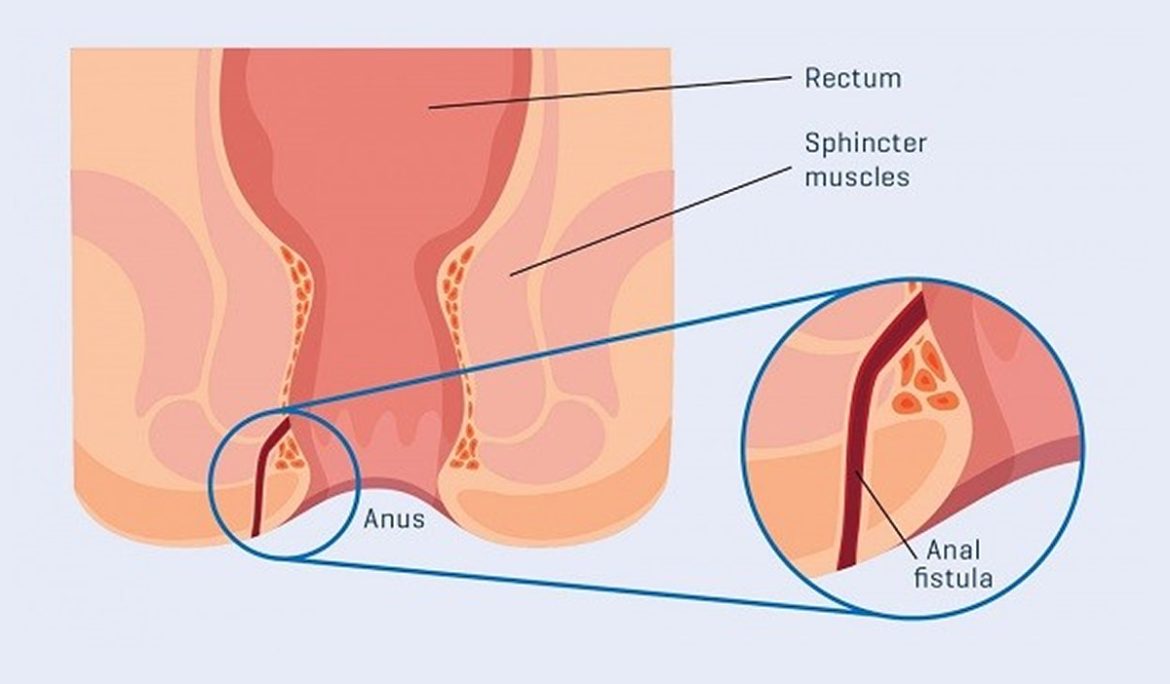
An anal fistula is an abnormal, tunnel-like connection that forms between the inside of the anal canal or rectum and the skin near the anus. This condition typically develops as a complication of an anal abscess, which is a collection of pus caused by an infection in the anal glands. When an abscess fails to heal properly or isn’t treated in time, it can lead to the formation of a fistula.
Fistulas can vary in complexity. Some are simple, with a single tract, while others may have multiple branches and openings. Regardless of their complexity, anal fistulas rarely heal on their own and often require medical intervention.
Causes of Anal Fistula
Understanding the root causes of an anal fistula is essential for prevention and effective treatment. The most common causes include:
- Anal Abscess:
The majority of anal fistulas develop as a result of an untreated or improperly treated anal abscess. When the abscess drains, it can leave behind a fistula. - Crohn’s Disease:
Crohn’s disease, a type of inflammatory bowel disease (IBD), can cause chronic inflammation in the digestive tract, increasing the risk of fistulas. - Infections:
Certain infections, such as tuberculosis or sexually transmitted infections (STIs), can lead to the formation of fistulas. - Trauma or Injury:
Injury to the anal area, whether from surgery, childbirth, or other trauma, can result in a fistula. - Radiation Therapy:
Patients who undergo radiation therapy for pelvic cancers may develop fistulas as a side effect. - Other Medical Conditions:
Conditions like diverticulitis, cancer, or HIV can also contribute to the development of anal fistulas.