
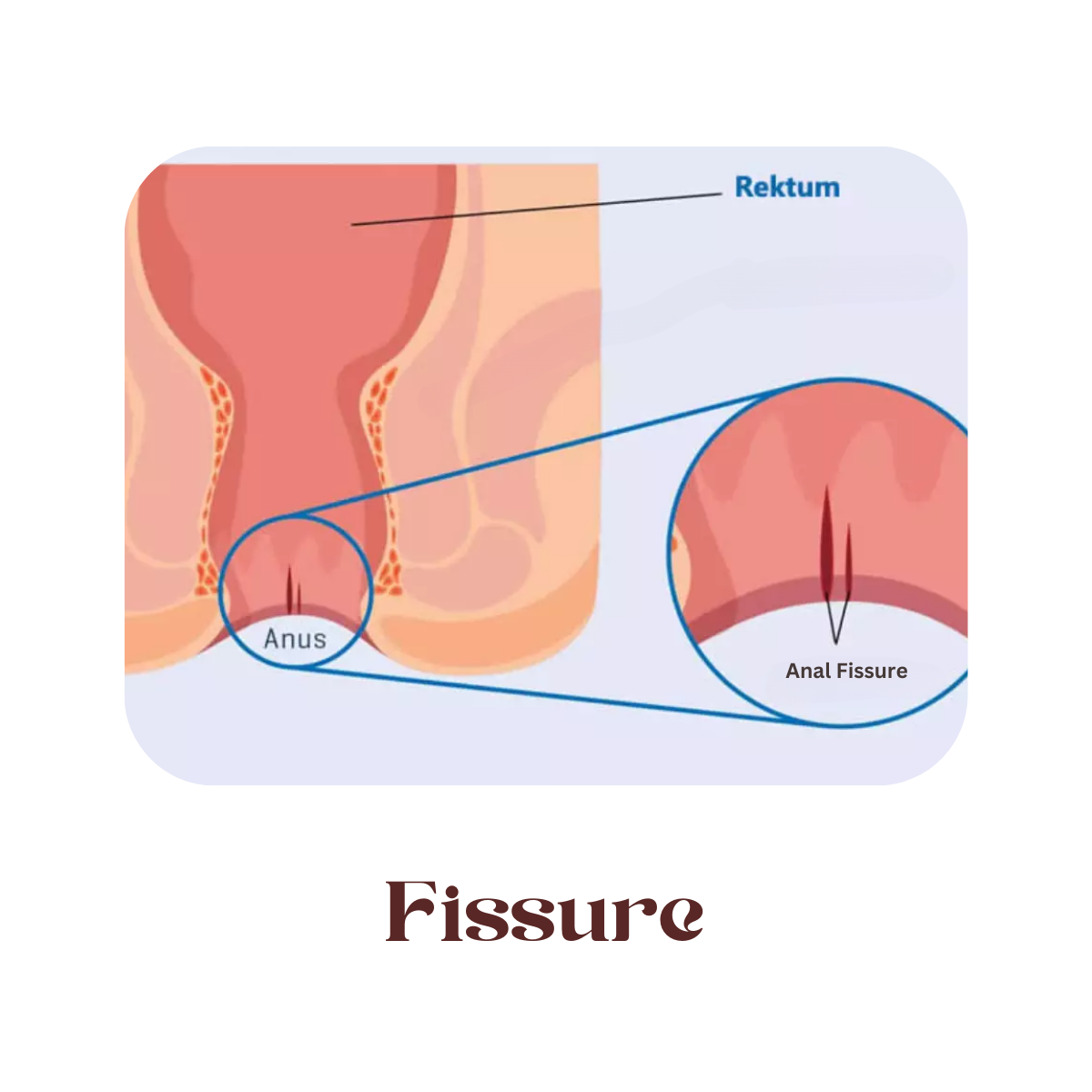
An anal fissure is a small tear or cut in the lining of the anus, which can cause severe pain and bleeding during bowel movements. The condition is often associated with hard or large stools, but it can also result from chronic diarrhea, inflammation, or trauma to the anal area. Anal fissures can be acute (short-term) or chronic (lasting more than six weeks), and they often require medical intervention to heal properly.
Causes of Anal Fissures
Understanding the root causes of anal fissures is essential for effective treatment and prevention. Some of the most common causes include:
- Constipation:
Passing hard or large stools is the most common cause of anal fissures. The strain during bowel movements can tear the delicate lining of the anus. - Chronic Diarrhea:
Frequent bowel movements can irritate and damage the anal lining, leading to fissures. - Childbirth:
The strain and pressure during childbirth can cause tears in the anal area. - Inflammatory Bowel Disease (IBD):
Conditions like Crohn’s disease or ulcerative colitis can increase the risk of anal fissures due to chronic inflammation. - Anal Trauma:
Trauma to the anal area, such as from anal intercourse or the insertion of foreign objects, can cause fissures. - Tight Anal Sphincter Muscles:
High resting pressure in the anal sphincter muscles can reduce blood flow to the area, making it more susceptible to tears and slower to heal. - Infections:
Certain infections, such as sexually transmitted infections (STIs) or tuberculosis, can lead to fissures. - Aging:
The tissues in the anal area can become less elastic with age, increasing the risk of tears.
Symptoms of Anal Fissures